


What does the underground of Barcelona hide?
Many people don't know this, but Barcelona, like other European capitals like Paris, Rome or Naples, has something what could be described as an underground city.
Beneath the surface of Barcelona are several different "attractions" that attract all lovers of history, mystery, and conspiracy theories.
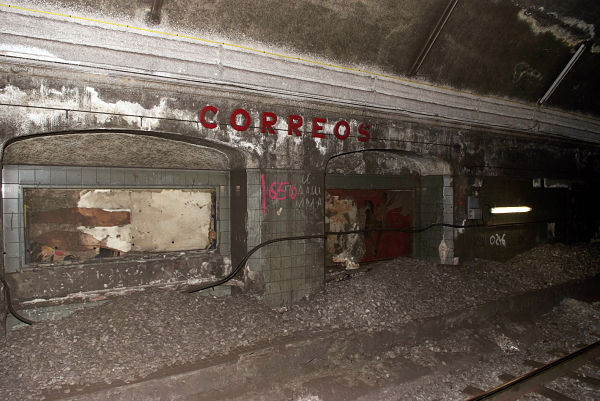
Today, the abandoned Correos metro station
So that you don't: even if you look beneath the surface of the shiny streets Eixample or Old town, you will always come across something that catches your attention: abandoned metro stops, an unused underground shopping center, the remains of Roman ruins, or various war shelters and tunnels.
I'll briefly walk you through all of this in this article, let's get started.
Abandoned metro stations in Barcelona
The most interesting structures beneath the surface of Barcelona are undoubtedly the abandoned and unused metro stations. Among the most famous are:
- Gaudi Station (metro line L5) – this metro stop named after famous architect was officially completed in 1968. The station is located between the Sant Pau | Dos de Maig and Sagrada Família. However, this underground station has never been opened to the public, although it is one of the best preserved of all. Sometimes you can see its platform with your own eyes if you look carefully when passing between the two aforementioned stations and the lights are on in the station (e.g. during Advent). According to some urban legends, Gaudí station is one of the places where you can most often see the ghosts of passengers waiting on the platform for the next metro...
- Post Office Station (metro line L4) – this stop of all the current "ghost stations" operated the longest: a full 38 years from 1934 to 1972. It was originally the terminus of the yellow line L4, which can be found at the end of Via Laietana. Interestingly, it has been preserved in its original form and some of its walls still bear period advertisements from the 30s.
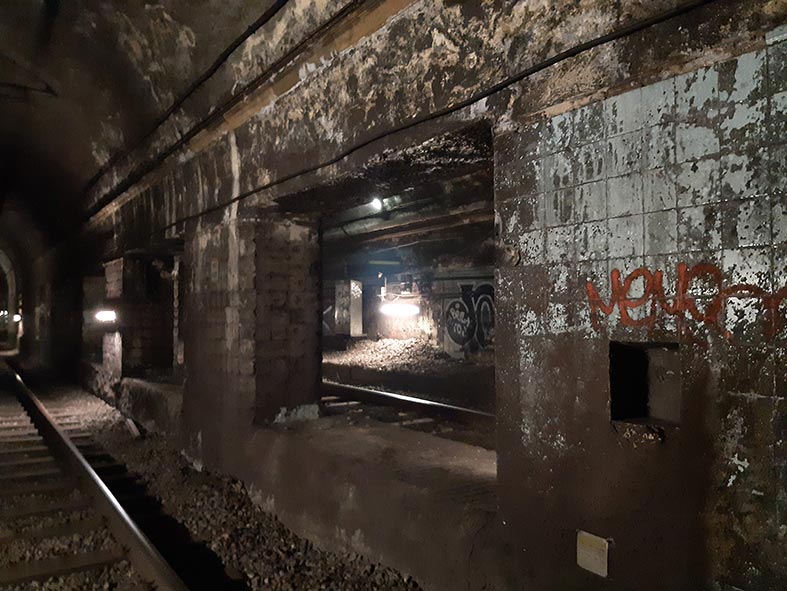
- Banc Station (metro line L5) – an unfinished stop built in 1911 is located under Antoni Maura Square. According to the original plans, it was to serve as a depot and at the same time be used mainly by banking institutions. According to some (later refuted) theories, this station was part of a secret plan to transport money to the Bank of Spain, which moved to Via Laietana in the 30s.
- Ferran Station (metro line L3) – this underground station under the famous avenue La Rambla Although it was operational and fully operational in the past, it was only briefly between 1946 and 1968. Due to its proximity to Liceu station, the local transport company stopped using it and replaced it with Drassanes station closer to the port.
If you are a fan of urban legends and ghost stories, you should also pay attention to Rocafort station on line L1. Over the years, it has earned the position of the most haunted station in the Barcelona metro. It all started during its construction, when a landslide killed 11 workers. This was followed by several tragic incidents, suicides and unexplained deaths. All this is supported by the testimonies of people who heard mysterious voices in the tunnels or strange footage from cameras capturing people on the platform after closing time... Based on all these urban legends, in 2024, Spanish horror film of the same name.
Did you know that from time to time, the transport company allows the public to peek into some closed stations? For example, in 2026 it was on the occasion of the 100th anniversary Barcelona metro launch.
The first underground shopping mall in Europe
In the very center of the city, from 1940 to 1990, there was the first underground shopping center in Europe. On approximately 2000 square meters, there were 68 shops, bars, offices, and even a huge cinema.
Avinguda de la Llum ("Avenue of Light"), as the shopping center was called, was part of an ambitious plan to build an underground city stretching from Pl. Urquinaona to Pl. de la Universitat. This 175-meter-long passage got its name from the excessive lighting that was a necessary part of the entire underground construction.
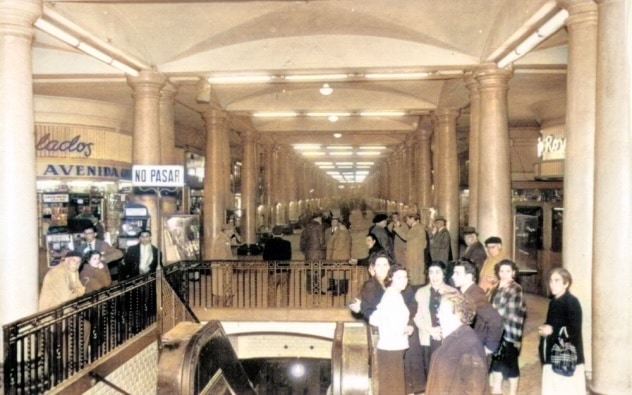
The main shopping gallery Avinguda de Llum
Unfortunately, the idea of an underground shopping mall didn't really catch on with locals: the idea of shopping underground and the overall poor lighting of the space (despite its name) were criticized. Approximately 20 years after opening, interest began to wane, and this was accelerated by the arrival of large and modern department stores on the surface.
Today, the former shopping mall is inaccessible, with one exception: on the ground floor of the El Triangle department store on Pl. Catalunya, you will find a Sephora store, which partially uses part of the original shopping avenue.
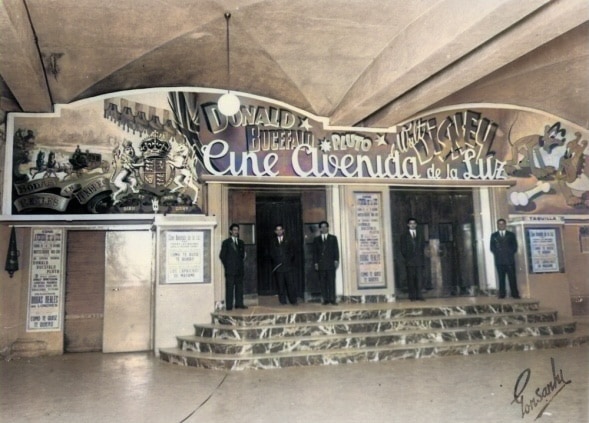
Entrance to the cinema premises in Avinguda de Llum
According to some urban legends, the shopping mall was part of a much larger underground city project. Proponents of this theory will also confirm that there are many other abandoned spaces and construction sites located somewhere below the surface. Barcelona city centerHowever, there is no direct evidence of this...
Extensive network of civil war bunkers
Another interesting feature hidden beneath the surface of Barcelona are the military shelters. Few people know this, but over 1937 of them were built in the city between 1939 and 1400! They were supposed to protect the locals from bombings during the Spanish Civil WarThe dense network was intended to accommodate up to 300 people, which corresponded to about a third of the city's population at the time.
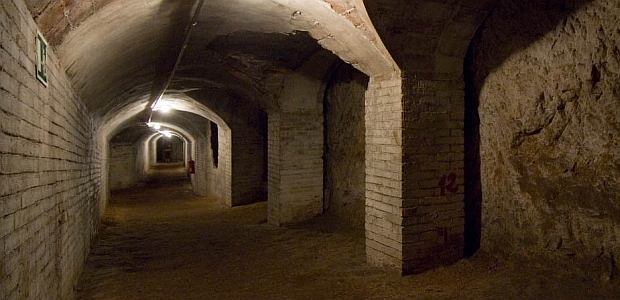
Tunnels leading to the Refugi 307 shelter in Barcelona
If you want to experience this piece of history underground in Barcelona, head to the Refugi 307 shelter at the foot of Montjuic. The local museum regularly hosts guided tours, giving you a glimpse into how the city prepared for one of the bloodiest periods in its history. Admission is included included in the price of the ticket to the Museum of History.
There is also a network of secret army tunnels near Refugi 307. In the 19th century, ammunition and supplies were transported through these tunnels to the fortress of Montjuic standing on top of the hill. Unfortunately, these are inaccessible and the entrances to them were blocked in the 60s during the construction of the former amusement park on Montjuic hill.
An underground trip to the time of the Roman Empire
And if you would like to go even further back in time, visit the aforementioned Museum of History. On the Pl. del Rei square you will find an extensive exhibition of preserved Roman streets from the times when the city was Roman colony of BarcinoAmong other things, you can see stone channels here, which were part of the Roman sewer system at the time, leading sewage directly into the sea under the houses.
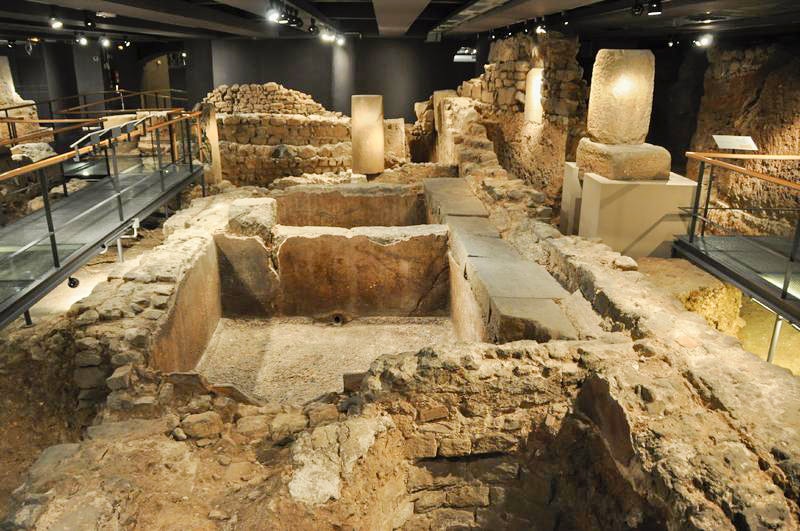
Remains of former Roman walls in MUHBA

👇 Don't miss this!
- Discount tourist cards—save on city transportation and get free admission to museums and landmarks, plus great discounts at shops and restaurants.
- Buy tickets online—save money, time, and stress by purchasing admission to attractions from the comfort of your home through the Barcelona Tourist Office’s online store; if you’ve never bought tickets online before, read my detailed guide along with my personal experience on how to do it.
- Find Accommodations—plenty of hotels, hostels, and guesthouses at reasonable prices. You can book immediately and pay after your stay.
- Rent a car—if you don’t want to walk or want to venture further out of Barcelona, try Rental Cars. They’ll deliver the car to the airport, and you won’t have to worry about a thing.
🎟️ Tickets
Sagrada Família tickets, Barcelona Aquarium tickets, Park Güell tickets, FC Barcelona tickets, Picasso Museum tickets – view all tickets >>>
💥 Latest Articles
- For lovers of water and the sea: the Barcelona Aquarium, Marineland Mallorca, Marineland Catalunya, or Water World Park in Lloret de Mar
- Pablo Picasso in Barcelona – How Did the Catalan Metropolis Influence the Life of This World-Renowned Artist?
- Three Kings’ Day in Barcelona – What It’s All About and Where to Watch the Parades
- The Church of Santa Maria del Mar, or the Cathedral of the Sea, as a perfect example of Catalan Gothic architecture
- Souvenirs from Barcelona – what to buy for yourself or your loved ones as a memento of your vacation?
- Bike Rentals in Barcelona – Information on Bike Rental Options and Rental Shops
- Cava + winery tour – where to go for it during your stay in Barcelona?
- Barcelona Metro Map – Digital, Downloadable, and Printable
- Castells, human towers, and gegants, giant figures – unusual Catalan traditions
- The Balearic Islands: Mallorca, Ibiza, Menorca, Formentera – popular tourist destinations about 200 km from Barcelona by sea
- Cable cars in Barcelona – what are the main tourist cable cars, and which one should you choose?
- Free walking tours in Barcelona – guided city tours that won’t cost you a thing
- The Cascada Monumental Fountain – a fountain in a city park designed in part by Gaudí
- Best places for brunch in Barcelona + Best bottomless brunch in Barcelona
- Gaudí’s buildings in Barcelona (map)
- What to Do in Barcelona on Christmas Eve and During the Holiday Season?
- Christmas Garden in Barcelona: Els Llums de Sant Pau
- Taxis in Barcelona: Official Fares for 2026 and Mobile Taxi Apps
- The Luxury Shopping District of Passeig de Gràcia in Barcelona – If You Love Shopping, You Can’t Miss This Street
- Gluten-Free Restaurants in Barcelona – Tips on the Best Places You Must Visit
- La Mercè Celebrations – What Are They All About, and What’s on the Program This Year?
- The Banksy Museum in Barcelona – this unconventional museum featuring works by the famous graffiti artist is definitely worth a visit!
- The Salvador Dalí Museum – take a trip to Figueres, where the famous artist has his museum
- Antoni Gaudí and His Buildings in Barcelona – My List of the Top 9 Must-See Structures
- Vacation in Tarragona – what to see and do in this city?
- Long weekend in Barcelona? – My tips for anyone heading to Barcelona for the first time for a long weekend and wanting to make the most of their vacation.
- Montjuïc Castle (Castell de Montjuïc)—a trip to the castle fortress atop Barcelona’s Montjuïc Hill
- La Roca Village – an outlet village offering international fashion near Barcelona
- What to See, Do, and Experience in Barcelona? (video) – a few videos to inspire your visit to Barcelona
- Spanish food—what must you try in Barcelona? It’s not just paella or tapas...
- Flixbus launches a new bus route from Prague to Barcelona
- Christopher Columbus Monument – a monument to the famous explorer with an unusual view.
- Casa Vicens – Gaudí’s first house in Barcelona, which you’ve definitely never seen before.
- Parking at the Vienna Airport—a detailed article on where to park if you’re flying to Barcelona from Vienna.
- Airport Lounges in 2026—my super-long guide to airport lounges: what they are, what services they offer, and how to get in for free
- Why Not to Buy Flights on Kiwi.com – a summary of my experiences explaining why you should avoid buying flights to Barcelona from resellers
- Austrian Highway Toll Sticker (2026) – my experience with the Austrian highway toll sticker and where to buy it
- Ferries from Barcelona: Barcelona–Mallorca Ferry, Barcelona–Ibiza Ferry, Barcelona–Menorca Ferry
- Internet and Unlimited Data in Switzerland

Who writes this website about Barcelona for you?
 Michal Acler writes the Barcelona guide for you (more about the website and its content). He fell in love with this beautiful Catalan city on his very first visit in 2006 and has been returning here regularly every year ever since. Thanks to this, all the information on this website and on Instagram is up-to-date, verified, and based on his own experiences. If you have a question, a tip, need advice, or have found an error on the website, please send him an email.